Bathroom Tile in Gilbert, AZ
Bathroom tile covers your floor, any accent or backsplash wall tile, and general room finishes outside the shower itself — a distinct project from shower tile specifically, which involves different waterproofing and slip-resistance requirements. Bathroom floor and wall tile installation typically costs $1,500 to $6,000 depending on square footage and tile grade, and usually takes two to five days. Ironwood Bath & Remodel selects and installs bathroom tile with Gilbert’s hard water, everyday durability, and genuine safety underfoot all factored in together, priced with a fixed number before installation begins.
See our full Bathroom Remodel Cost Guide for pricing across every project type, and our Bathtub & Fixtures pillar page for how tile fits alongside other fixture updates. If your project is specifically shower tile, see our dedicated Shower Tile Gilbert page instead — floor and wall tile outside the shower have different technical requirements than tile inside a constantly wet enclosure.
Bathroom Floor Tile vs. Shower Tile: Why These Are Different Projects
Different Water Exposure
A shower floor and walls face constant, direct water contact multiple times a day. A bathroom floor gets occasional splashes and moisture from a nearby shower or tub, but nowhere near the same sustained exposure — which changes what waterproofing and material choices genuinely matter for each.
Different Slip-Resistance Needs
Both a shower floor and a general bathroom floor benefit from slip-resistant tile, but a shower floor’s constant standing water raises the stakes further, which is why shower floor tile selection gets even more careful attention in our Shower Tile Gilbert page specifically.
Different Design Considerations
A bathroom floor is often visible across the entire room and interacts with the vanity, walls, and overall room design, while shower tile is contained within its own enclosed space. Many homeowners choose a coordinated but distinct tile approach for each — a strategy we help plan during design.
Bathroom Floor Tile Options
Porcelain Tile
Dense, low-absorption, and highly durable, porcelain is generally our top recommendation for Gilbert bathroom floors specifically because it resists hard-water mineral staining and daily wear significantly better than more porous alternatives.
Ceramic Tile
A lower-cost alternative to porcelain with a wide range of design options, reasonable for a bathroom floor though somewhat more porous and slightly less durable over the long term than porcelain.
Natural Stone Tile
Genuinely beautiful, but porous and vulnerable to both hard-water etching and staining without a consistently maintained sealant — a real maintenance commitment worth weighing honestly before committing an entire bathroom floor to it.
Wood-Look Porcelain Tile
Combines the visual warmth of hardwood flooring with porcelain’s actual water resistance, a popular choice for homeowners who want a bathroom floor that doesn’t read as starkly “tiled” while still standing up to a wet environment.
Slip Resistance for Bathroom Floors
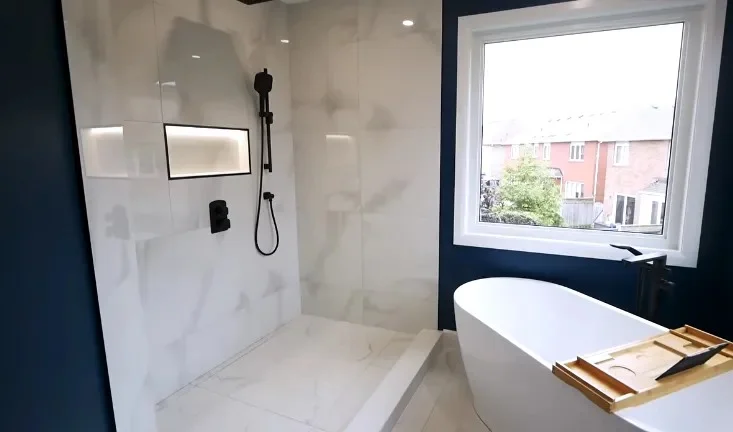
The same DCOF, or Dynamic Coefficient of Friction, standard that applies to shower floors also matters for the general bathroom floor. The American National Standards Institute’s A137.1 standard sets a minimum wet DCOF of 0.42 for tile recommended in level interior spaces expected to be walked on while wet — a real, measurable safety threshold rather than a marketing claim. We factor this into every bathroom floor tile recommendation, since a beautiful floor that’s genuinely slippery when a small amount of water reaches it isn’t a good outcome, especially in a room used daily by every member of a household.
Wall Tile Outside the Shower
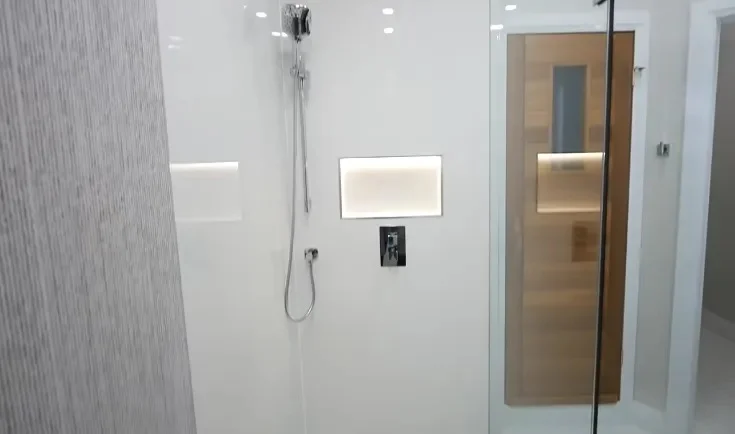
Backsplash Behind the Vanity
A tile backsplash behind the vanity protects the wall from splashes and adds a genuine design element, ranging from a simple few-inch strip to a full wall treatment reaching the mirror or ceiling.
Accent Walls
A single feature wall in a bold tile pattern or material, used to add visual interest to an otherwise simply finished bathroom without committing the entire room to a stronger design choice.
Half-Wall or Wainscoting-Style Tile
Tile applied to the lower portion of a wall, often finished with a decorative edge trim, adds both a design element and a layer of practical protection against everyday wear and moisture near the floor.
Tile Size, Pattern, and Grout for Bathroom Floors and Walls
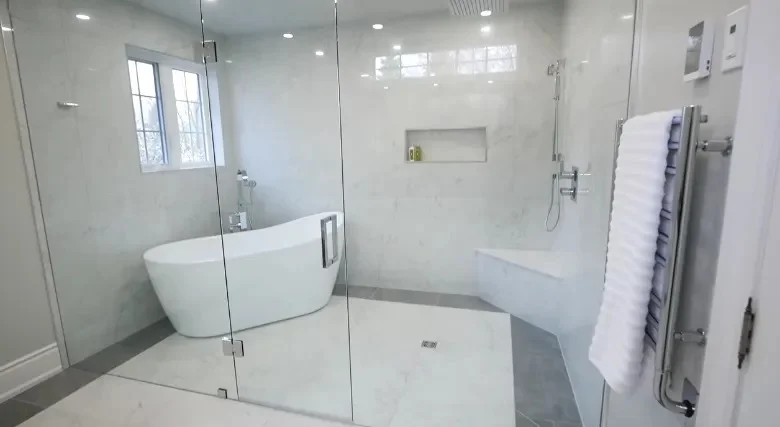
Large-Format Floor Tile
Larger tiles reduce the total number of grout lines across a bathroom floor, which means less total surface area where hard-water mineral staining can take hold — a genuine functional benefit beyond the clean, modern look large-format tile provides.
Pattern Considerations
Straight-lay, diagonal, and herringbone are all common bathroom floor layouts, each requiring different amounts of cutting and labor, which affects both cost and installation timeline.
Grout Selection
As with shower tile, epoxy grout offers significantly better resistance to hard-water staining and mildew than standard cement-based grout, though for a bathroom floor with less constant water exposure than a shower, a well-sealed cement grout is also a reasonable, lower-cost option.
Our Bathroom Tile Process
1.
Phone Consultation
Call (480) 696-6664 and describe your current bathroom floor or walls and what you’re hoping to update. We’ll give you honest guidance before scheduling an in-home visit.
2.
In-Home Evaluation & Tile Selection
We measure your space and help you select tile type, size, and pattern for both floor and any wall applications, with hard water and everyday durability factored in from the start. Our full Bathroom Design & Planning page covers this phase in detail.
3.
Fixed, Written Proposal
A complete scope of work and a locked price, including your specific tile and grout selections, before installation begins.
4.
Proper Installation
Correct subfloor preparation, precise tile setting and leveling, and appropriate grout application, followed by a final walkthrough.
What Bathroom Tile Costs in Gilbert
| Tile Project | Typical Cost Range† | Notes |
|---|---|---|
| Standard porcelain floor tile | $1,500 – $3,500 | Based on average bathroom square footage |
| Natural stone or premium tile floor | $3,000 – $6,000 | Higher material and installation cost |
| Vanity backsplash | $300 – $900 | Smaller scope, quick installation |
| Full accent wall | $800 – $2,500 | Depends on tile grade and wall size |
Tile installation costs vary significantly with room square footage and tile grade selected. See our full Bathroom Remodel Cost Guide for how this compares to other project types.
Permits for Bathroom Tile Installation
Bathroom floor and wall tile installation, outside the shower and without any plumbing or electrical changes, generally does not require a Town of Gilbert permit. If your tile project is part of a larger remodel that involves plumbing relocation or structural changes, a permit will apply to that broader project scope rather than the tile itself. Full detail on our Permits & HOA Guide.
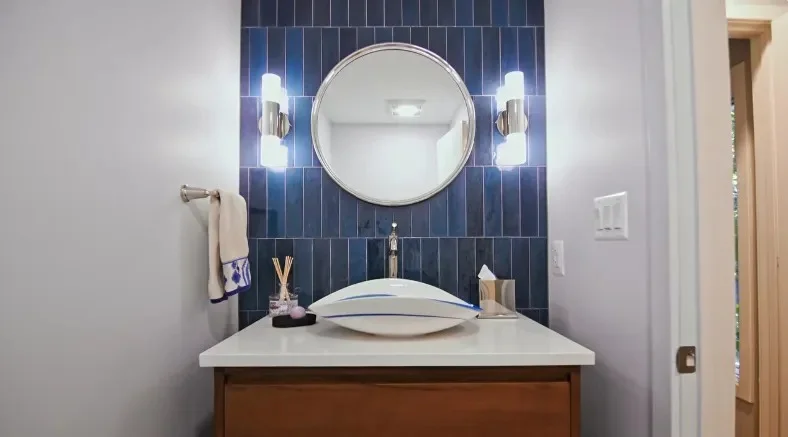
Bathroom Tile Built for Gilbert’s Hard Water
Gilbert’s water averages 8 to 10 grains per gallon according to the Town of Gilbert’s own published data, and even outside the shower, splashes from the sink and nearby wet areas mean bathroom floor and wall tile still face meaningful mineral exposure over time. We recommend porcelain over more porous materials, and epoxy or well-sealed cement grout, specifically because these choices reduce how much maintenance a Gilbert bathroom floor needs to stay looking new. Full detail on our Gilbert’s Hard Water and Your Bathroom Remodel page.
Frequently Asked Questions About Bathroom Tile in Gilbert
Ready to Update Your Bathroom Tile?
Call Ironwood Bath & Remodel at (480) 696-6664 or Contact us to schedule your free in-home consultation. We’ll help you choose the right floor and wall tile for your space and give you a fixed price before work begins. 2174 E Williams Field Rd, Gilbert, AZ 85295 · Serving Gilbert, Chandler, Mesa, Queen Creek & Tempe · Open Monday–Sunday, 9am-8pm